2024 will provide some relief for borrowers and potential borrowers as interest rates fall.
But the question is how long they may have to wait, and how much should they expect, in terms of a reduction.
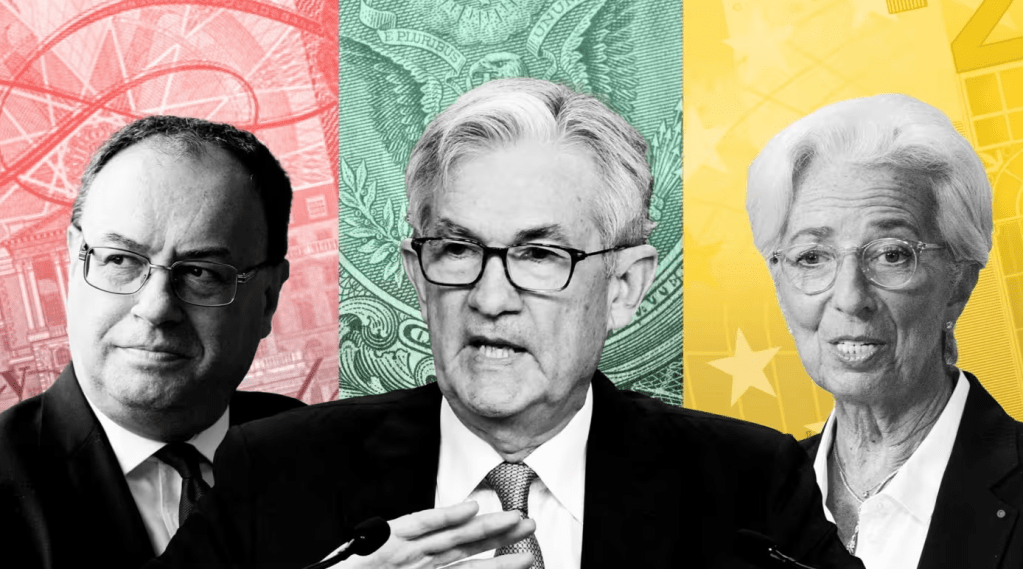
Last night’s comments from the chief at the US Central Bank suggest we may have to wait a bit longer than some in financial markets are thinking of at the moment and that the amount of reduction may also disappoint.
The US Federal Reserve (Central Bank) was early to start its rate cycle – first increasing in March 2022. The European Central Bank moved that Summer, hiking by 0.5%. This was the first hike in 11 years and ended an era of negative interest rates.
Further rate hikes are now off the table and nearly all Central Bankers have pointed to reductions – but when?
I suspect the US will make the first move again on the way down.
Before Christmas, the Governor of the US Federal Reserve really got markets excited with his comments that suggested the first cut was imminent. Many pencilled in March as the likely date. The Fed has its target of lower inflation and the numbers seemed to be heading in the right direction – but economic growth and jobs numbers still suggested a fairly hot economy. Officials sought to pour cold water on this exuberant interest rate outlook.
The US Central bank in its fight to get inflation down to a core rate of 2% would like to see a more balanced jobs market. Every month we have seen record breaking numbers of new jobs being created in the US – the most recent being 199,000 in November. There are signs though of a change. Most of the surge has come from the “post-covid” categories of leisure, hospitality etc. This now seem to have run its course, and from here we will see a broader but more balanced picture on the jobs front. Also looking at surveys of whether jobs are easy or hard to get, again the labour market seems to be cooling a bit. This supports the Fed in its drive for a “softer” economy and less price pressure.
Financial markets also are looking at maybe 5 or 6 cuts in the year overall. The US Central Bank’s view is closer to 3.
How long is it usually between the final hike in the interest rate cycle and the first cut? On average it can be around 7 months. This time could be longer. It may take longer for interest rate policies to work than in the past, as less debt is variable and so less responsive to higher or lower rates. On consumer debt, approximately 88% of household debt is locked in at a fixed rate – in 2006 this was about 75%. This means higher rates don’t flow through to the system as speedily.
Policy makers in the US actually have a choice about when to lower rates, given lower inflation, but still a very resilient economy. Other Central Banks, like our own ECB, face much weaker economic conditions and so are a bit under pressure to cut as soon as possible.
And as of now, the US Federal Reserve doesn’t feel it has enough information on inflation to make that interest rate call. The Governor of the Fed said last night that they probably won’t even be confident enough to make that call in March either (as many expected they would). Stock markets sold off on what some considered disappointing news.
So the US could well wait till later, closer to the Summer, before they pull the trigger. Our own ECB won’t be far behind.
So we have a while longer with interest rates at current levels.

