Just over 10 years ago, it’s major cities were on fire.
Bank buildings were burnt and foreign owned stores set alight and looted. Mass demonstrations were violent and fatal and met with riot police and tear gas. The political system was on the verge of collapse.
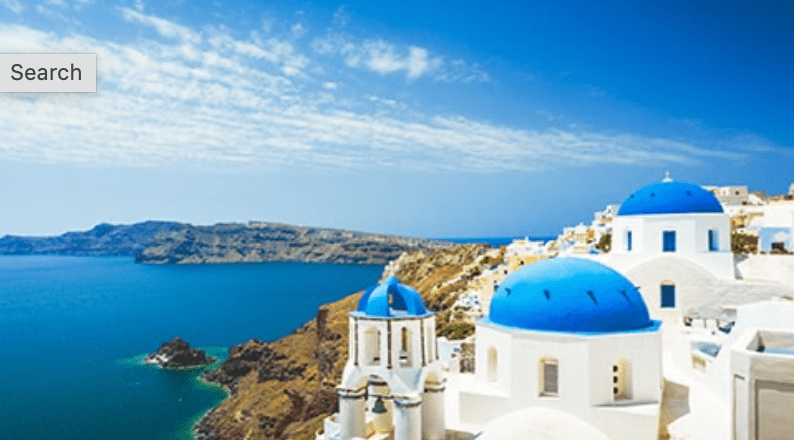
Today, Greece is one of the fastest growing economies in the Euro bloc. This year over 30 million tourists will flock to Greece’s beaches and temples. Irish tourists will again be to the fore of this wave, as Greece and its islands continue to top the travel surveys here. Greek tourism agencies are planning on how they can grow this vital source of revenue even further.
The coffee shops in Heraklion are busy from early morning with this renewed tourism influx.
The improvement is not just visible in the bars and restaurants. Financial traders’ screens show a much improved picture than even 8 years ago. Today Greek 10 year bond yields are around the 3.4% rate, lower than many other Euro members, reflecting a willingness from investors to lend money to Greece. In the past investors have demanded yields as high as 15%!
The international rating agencies such as S&P and Fitch are also on the brink of upgrading Greek debt. In June, Fitch affirmed its stable outlook for Greece, while S&P has a positive outlook on the country.
The Greek economy made one of the strongest recoveries from Covid with GDP up 8.4% in 2021, 5.9% in 2022 and looking like 3% this year and next.
Greece is still burdened by a high debt level – about 160% of GDP. But it has been falling, is set fall further, and is relatively long term – on average about 17 years.
Drilling into the economically crucial banking sector, we see further evidence of improvement as non-performing loans which made up over 50% of bank balance sheets in 2016, today account for just 7%. Unemployment which in the darkest of days accounted for over one quarter of the workforce, today just nudges over 10%.
To be clear though, the economy and its people have suffered pain, as a result of the enforced austerity measures.
This economy is still a shadow of its former self. The Greek economy today is smaller than it was before its financial crisis by about 24%. And while unemployment levels have improved, they are still too high amongst younger age groups and females overall
For those in work, it is still very challenging. Average wages today are 25% lower in real terms than before the crisis. 30% of the Greek population is at risk of extreme poverty or social exclusion according to Eurostat. This is the third worst reading in the EU.
Greece is set to continue to receive European fiscal support – in excess of 3% of GDP per year until 2026. Such support buys the economy more time to deal with its chronic problems such as a long standing investment gap of about 7% of GDP on a yearly basis.
There is still a need to move more of the economy out of the shadows and become more tax compliant.
Interestingly, Covid which saw an increase in on-line activity helped somewhat in this regard. But the country still ranks too unfavourably in global corruption indices and political leadership is required.
Tax evasion in Greece exceeds 60 billion euros annually, according to Bank of Greece governor Yannis Stournaras.
“We are considered European champions” in tax evasion despite the progress made, Stournaras said. About 2/3rds of tax raised comes from just 1/10 of the workforce.
The Greek economy is showing good top-line numbers and Greek bonds may soon regain an “Investment Grade” rating. But so many of the issues that signposted the way to the financial crisis still exist today. It looks like a financial recovery rather than a broad-based economic one.
So for the thousands of Irish holiday makers who flock to the beaches in Greece this summer, it will look like “business as usual” – and that may be part of the problem.
 Tradewinds
Eugene, Interesting piece. We’ve been going to Greece off and on for the past 20 years. Recently back from Paros/Naxos and then Tolo/Nafplion in the Peleponnese. Certainly tourism is booming and no doubt it has become more tax compliant (receipts for everything now). Also, infrastructure is being invested in.
Brian
LikeLike
Thanks for reading Brian!
LikeLike