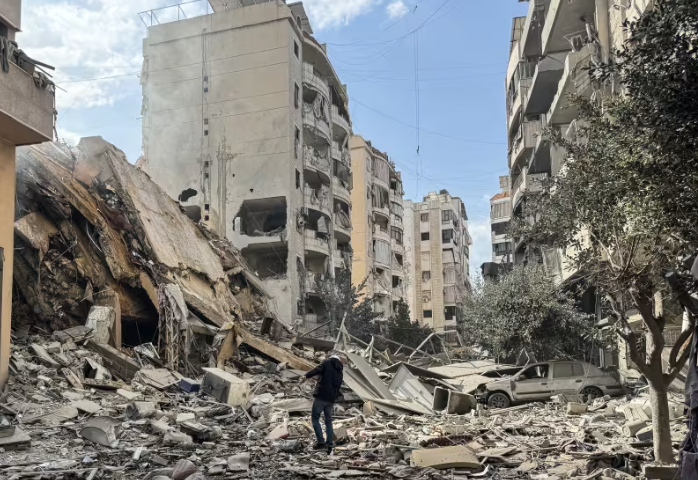
The 2026 Iran war began on 28 February, when the United States and Israel launched surprise airstrikes on multiple sites and cities across Iran, killing Supreme Leader Ali Khamenei and numerous other Iranian officials.
What has the impact been on Irish investment funds?
Let’s be clear. Fund Managers came into this episode reasonably constructive on markets. Looking at surveys of fund managers from February, such as the Bank of America report, most fund managers were happy to hold risky assets. Not surprisingly, this view has changed.
Prior to the outbreak of war, global stocks markets had been meandering higher to a greater or lesser extent. The FTSE World index was up just over 3.5% from the start of the year until February 28th. Since that date some of the moves in equity markets have been significant. Moves for some of the major markets from the start of hostilities to now are shown below:
US -5.4%
UK -9.2%
Germany -11.5%
France -10.6%
Japan -9.3%
China -5%
Europe with its high dependency on imported energy has been hit hard.
And for investors, there hasn’t really been any hiding place. Bond markets have also been weak, Germain 10-year yields have shifted up from 2.65% to over 3%. US bond yields have gone from 3.96% to 4.4%. Even Gold, often a safe haven, has lost its shine. Last week was its biggest weekly loss since 1983 and it is down more than 14% since the war began.
So how have Irish Investment managers weathered the storm so far? I looked at one of the major fund platforms used by investors, and fund performances since February 28th are broadly:
European Equity -7.8%
US Equity -4.5%
Global Equity -3.8%
There has been some relative shelter in higher dividend stocks but overall performance is as you might expect. Cash held within funds would have offered some protection. Bond funds and Multi-asset funds are also firmly in negative territory over this period.
Fund values have fallen, as has the optimism among fund managers. Compared to February, we now see deteriorating investor sentiment as geopolitical tensions and inflation concerns replaced this earlier optimism. Economic growth expectations fell sharply and cash levels are up.
Cash allocations climbed to over 4% from just over 3%, marking the largest monthly increase since 2020. Sentiment among fund managers has fallen to a six-month low.
But still no sense of capitulation. Positioning in stocks remains well above levels seen at prior market bottoms.
But the crux is where we go from here and how long it may take. When you look into the views of the fund managers they remain fairly benign. On the oil price for example, most see it in the 70-80$ a barrel by year-end with very few seeing it over 100$ – where it stands today. This view is also reflected in oil futures market.
And while views on the global economy have ratchetted down, few fund managers see a recession on the cards, with nearly half of managers surveyed expecting a “soft landing” for the global economy.
So funds and markets have declined, though in the context of where we’ve come from, and the severity of what’s happening on the ground, the moves haven’t been extreme.
But the risk of a protracted conflict or an escalation in the scope of responses on both sides, contrasted with an investment community holding on to a benign outcome, suggest there could be still be room for disappointment, if there’s further deterioration.
 Tradewinds