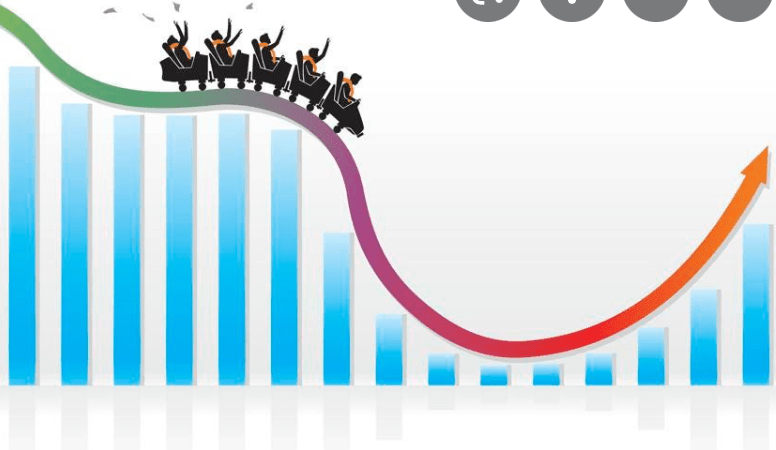
Volatility is on the up in asset classes like stocks and bonds, as governments and central banks around the globe look for an exit strategy from highly supportive pandemic policies.
US bond volatility (as measured by the options market index) has practically doubled in the past 4 months and stock markets have been displaying heightened volatility over the same period.
But currencies, by their own standards, have been very calm and at the lower bound of their historical volatility over the last five years or so. The US dollar has traded in a much tighter band with the Euro since 2017 than in the period before. Indeed at time of writing the greenback is at the same level against the Euro as it was mid 2020. Movements in Sterling against the Euro have been equally subdued despite the ebbs and flows of the Brexit process.
The key explanation for this has been the basic “absence” of interest rates.
Major Central Banks around the world have kept rates at zero and below for a considerable time. There has been little to choose from in this world of rock-bottom rates and, until recently, a global central bank consensus of keeping these rates low.
Red hot inflation numbers have changed the landscape. The US Federal Reserve had been playing a very patient game, but in response to faster price rises that they would like, have pivoted dramatically and will now hike interest rates several times in 2022. Some analysts are looking for as many as seven or eight increases and there is a view that these increases could be “front-loaded” i.e. sooner rather than later and in bigger increments.
And the US is not the only actor on the stage. The Bank of England is already out of the blocks with rate hikes and the European Central Bank is a late entrant. Christine Lagarde has been talking up rate prospects.
This new more “hawkish” US Central Bank, could support a stronger US dollar over the course of the year as it wins the race in hike rates. This is a view widely shared. Several of the large US investment banks are very positive on the dollar’s prospects. This bullish view is also visible in the currency funds markets where speculative positioning on the dollar sits at its most positive since 2019.
However there is a risk; and that is the risk of a policy mistake by the US Central Bank. If it proceeds too soon and at pace, could it choke off economic growth? The US economy is set to grow by about 3% in 2022. But we have seen the pace slacken in recent weeks with softer retail sales, lower consumer confidence, less positive tone to economic output and a pull-back in many higher frequency data points. Analysts are also reducing their forecasts for company profits for the first quarter of this year.
But failure to hike rates would see the inflation genie well and truly out of the bottle. And there will be political pressure as cost of living has become a red button issue for governments globally. But there will be a need to be nimble – Inflationary pressures may well lessen if we get further away from the pandemic and supply chains get rebuilt. Base effects in energy prices may also make for some moderation.
We are starting this rate cycle at a reasonably elevated inflation level. Policy makers will be unwilling to let currencies weaken too much and import further price rises
Perhaps some of the very few resolutely dovish central banks – such as those in Japan, Switzerland and Sweden – will accept the trade-off of a weaker currency.
It is clear that in 2022, central banks will be more active, more scrutinized and may need to be more reactive than they have been for several years. For example, we may see the US Federal Reserve actually making decisions outside their normal meeting schedule – perhaps before the next meeting which is around St. Patrick’s day. Also monetary policy across regions will be more differentiated than markets may have become used to. The “synchronised” global economy is no more.
For currency traders, after a long period of “calm”, there will be decisions to be made.
This will translate into greater volatility in exchange rates
 Tradewinds