It has been the economic surprise of 2021 and there are still voices on both sides of the argument.
Inflation has taken off as a concern for investors, consumers, producers and policy makers. The most recent number to grab headlines in the US was a staggering 6.2% – the largest since 1990. At the start of the year, 2.1% was the expected figure.
The path to these price pressures is paved with supply chain delays, higher energy prices and higher wage bills in certain challenged sectors.
Central Banks built a defence by viewing all of these as “transitory” – which of course they may be. However the issue is when inflationary expectations are changed. Investors and manufacturers may have grown accustomed to living in a low inflation world – but there are signs of a change. The concept of “pricing power” is once again being mentioned. A recent survey in the US has shown the proportion of businesses thinking of raising prices is close to 50% – the highest since the early 1980’s.
Inflation is certainly making its way into the corporate psyche and is front of mind for many CFOs and CEOs in US companies. If we look at the conference calls of the S&P 500 companies in this third quarter reporting season just ending, the percentage of companies citing inflation is over 60% – double the norm of the past 5 years. Interestingly this hasn’t really fed through to lower profit margins yet.
Is this surprise in inflation numbers going to lead to a shock on interest rates?
For some commentators, the greatest crime a Central Bank can commit is “being behind the curve” i.e. not recognizing a change in the economic environment and having to catch up, but with the risk of inappropriate interest rate policies.
Making this assessment is even trickier now as many Central Banks have made changes to their operating framework. Basically entities like the ECB and the Federal Reserve in the US are likely to tolerate higher inflation rates before they pull the rate trigger. In the US, for example, the Fed is looking to target average inflation over a time period rather than a spot level.
As we stand today, policy makers, certainly in the US and Europe, broadly hold on to the transitory narrative but there have been some interesting changes in language in the past few weeks.
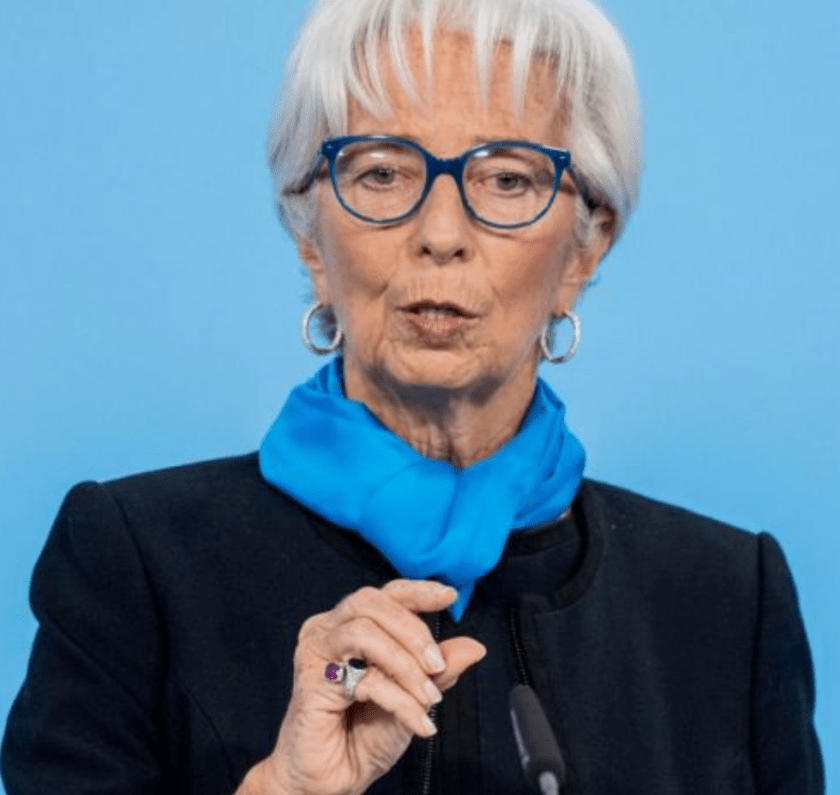
Closest to home, ECB chief Christine Lagarde now feels inflation will stay high for longer then she previously forecast. However she has pushed back on calls for rate hikes, sticking with the view that inflation will fall back somewhat in 2022. It is worth noting though that the ECB inflation forecasts are among the lowest around.
The actions of the Federal Reserve In the US probably matter most. Here we have had the most clearly communicated policy; namely of no action on rates until the jobs market was clearly improving. The chairman of the Fed, Jerome Powell, is reluctant to raise rates while there was still slack in jobs market, despite the surge in prices. The 6.2% number did have something of a “sticker shock” about it and the inflation numbers have been highly politicized. The situation has been complicated by the fact that we will see several changes in composition of the Fed board this year. And it is true that the most recent job numbers have been stronger.
Will this change the time-table? Comments from the Treasury Secretary Janet Yellen have become somewhat more neutral, noting that Covid is likely to play a greater part in calling the shots on inflation and interest rates.
Most clear cut is the view of the Bank of England, which appears to be itching to hike rates. Andrew Bailey, Governor of the Bank, admits to being very uneasy about inflation being above target, suggesting action will be taken sooner rather than later. Bailey puts in very simply “We are in the price stability business”.
This more nuanced language we have heard may not change the sequence of rate rises – UK followed by US, followed at some point by the ECB – but may herald a change in time frame.
However beyond time frame, we are leaving a period when the interest rate policy of the major blocks was highly synchronised. This resulted in the very muted volatility we have seen in exchange rates – this too may change.
 Tradewinds